
Radios and Austere Communications Technologies


When we talk about security technology we tend to talk in depth about camera systems and the development of AI-based analytics, facial recognition, and license plate readers. Further down the list the benefits of access control and intrusion detection systems, then when a vehicle ramming attack is in the news anti-ram barriers or weapons detection systems when there is a shooting, but what about communication?
Efficient real time communication technology is essential for many industries, especially the security industry. A proper radio system provides voice communications to security staff and other employees which could mean the different between life and death. Most modern radio systems can provide intra-building communications while more complicated systems can communicate between vehicle mobile radios and dispatch as well as others on a campus.
It gets more challenging when you are trying to communicate between several individuals within several miles of each other, both indoors and outdoors, across multiple sites without infrastructure. For organizations like utilities, oil and gas, mining, and first responders knowing where your crew is and being able to communicate in real-time from your operations center is essential to mission success. Here are some things to consider.
Long distance
Most handheld radios operate at less than 10-watts of power with commercial radios rarely transmitting above 5-watts. Generally, this means around 2-5 miles of range in a rural setting or between 0.5-1 miles in an urban area. For organizations only using handheld radios, these are line-of-site devices. Anything which is in the way between the radios will interfere with the signal. To extend the range of these devices a repeater is needed.
Repeaters are used to extend the range or a radio network. Usually with antennas mounted high on a building or a tower, a repeater will receive an incoming signal from a handheld or mobile radio and retransmit it from a higher elevation mitigating the height of obstacles like buildings and allowing for more coverage area.
When an organization has multiple sites (campus wide with multiple buildings, or multiple properties located away from each other) then each site will likely need a repeater to talk to pass information from a handheld at site A to a hand-held at site B. For extremely long-distance an internet connection is required for IP voice communications.
When infrastructure such as power, radio towers or tall buildings, and internet are available a radio system like above is excels. In remote wilderness areas or large properties, the use of other communications devices may be necessary. Currently there are only a few options like expensive satellite communications devices, however other technologies are showing promise.
Emerging Technologies
LoRa (Long Range) is a mesh-based wireless communications radio system designed for low power and long-range use. When connected to other devices the radio network forms a mesh in which all devices are connected in a web and where each radio may operate as a
“repeater” to reach another radio greatly increasing the range of devices. Unlike ordinary radio systems which must be line-of-site between the device that need to communicate.
Industry uses this in building automation; however, hobbyists have been using this for several years to communicate long distance between a small LoRa radio device. These are text messaging only devices with Bluetooth connection to a cellphone for messaging.

LoRa radios use different programs or protocols such as Meshtastic, Meschcore, and Reticulum or proprietary software. They are downloaded onto a mobile phone (often called an end-user device or EUD), computer, or tablet.
While most devices are built for or by hobbyists there are a few that have come to market which are professionally built and designed for heavy use with commercial and government operators including search and rescue teams. Companies like Beartooth Communications, goTenna, and AT Labs have been producing high quality devices made to withstand the rigors of heavy use in difficult environments used by military, wildland firefighters, and search and rescue teams. Professionally built LoRa radios provide an excellent option for those who demand robust equipment.
Lastly, this equipment can be used with the Android Tactical Awareness Kit or (ATAK). This program produced for the US Federal Government is available for civilian use and is capable of showing real time location data on satellite imagery and serving as a command and control platform for operational use. The full capabilities of ATAK are worth an article on its own.
Satellite communicators like Garmin’s inReach and Spot Messenger devices are consumer
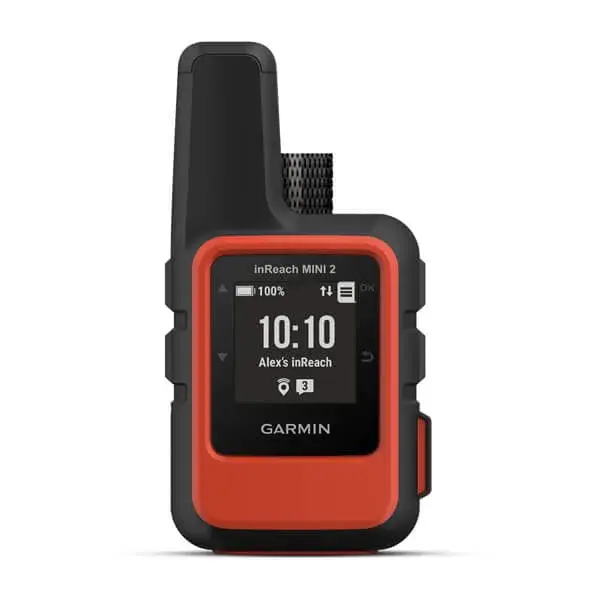
grade and provide text messaging capabilities. These messages are typically slow to send and receive making them not as ideal. They do provide an emergency rescue button which connects to a dedicated emergency response center and can dispatch emergency services to your exact location.
Mobile phones with satellite services provide another option. Satellite capable mobile phones are still new to the market and are only capable of text messaging, however they suffer from the same problem that other satellite devices have which is the delay to send and receive.
So, what do you think about these new devices? How important is real-time communications for your team?


Comments